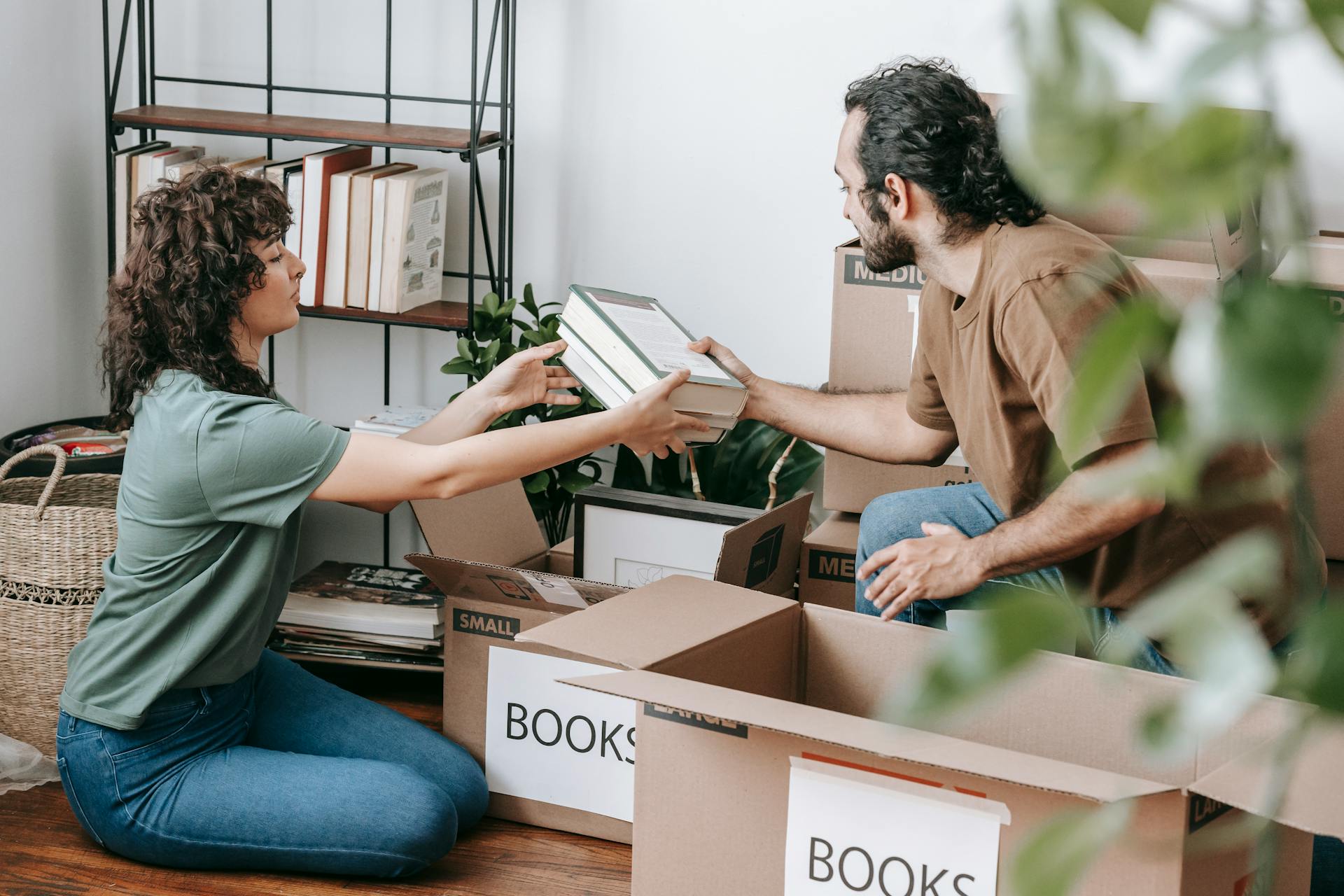
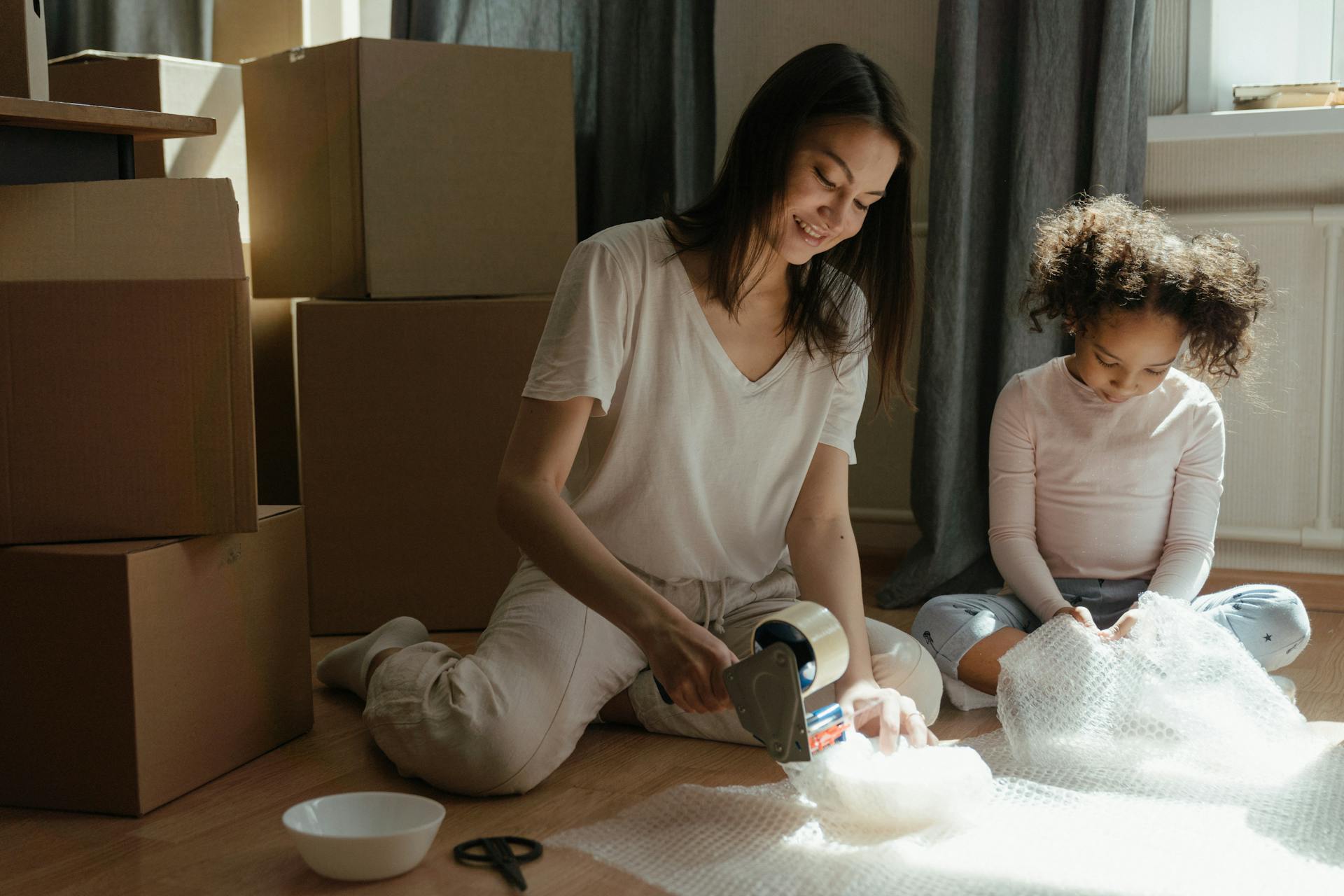
Packing plates and dishes for moving requires sorting, planning, and high-quality packing materials. We know from our clients that fragile items like plates are one of the things they dread moving the most.
With years of experience successfully moving fragile items, we’re sharing our insider tips on how to pack plates and dishes.
Packing Materials Needed for Plates
The right packing materials will protect fragile items against damage or breakage during the moving process.
Here are our recommendations for packing materials for plates and dishes:
- Bubble Wrap — Bubble wrap is crucial for safely packing plates and provides cushioning and shock absorption.
- Packing Paper — Packing paper helps secure contents and keep fragile items protected against scratches. We prefer packing paper to newspaper to avoid the risk of ink transfer, especially when dealing with valuables.
- Small to Medium-Sized Corrugated Boxes — Opt for sturdy, high-quality corrugated boxes for packing plates. Stick to small to medium-sized boxes as they are easier to lift and move. We recommend double corrugated cardboard boxes as they help absorb shock to protect valuables.
- Parcel Tape — High-quality parcel tape is a must-have for reinforcing boxes and ensuring they are thoroughly sealed
- Permanent Markers — A thick permanent marker can be used to label boxes with “fragile” or “dishes”. This helps protect valuable plates and dishes and makes it easier to stay organised as you load and unload boxes. Fragile tape or stickers can also be used to help boxes with valuables or fragile items stand out.
How to Pack Plates in a Box
Here is a step-by-step guide to packing plates and dishes to keep them safe throughout your big move.
- Sort the plates
- Line the moving box
- Wrap the plates
- Pack plates vertically
- Cushion any empty spaces in the box
- Secure and label the boxes
Step 1: Sort the Plates
Sort your plates and dishes by size and type. This is also a great time to downsize your collection and get rid of any plates you no longer need or use.
Packing plates of the same size and style make them easier to stack neatly together to maximise space. This also helps prevent shifting and sliding during the move to protect against chips, cracks, and damage.
Step 2: Line the Moving Box
Lining the moving box is one of the most effective ways to protect dishes during the moving. Line the bottom of the moving box with several layers of crumpled packing paper to create a soft base. We also recommend padding the sides of the box with packing paper or bubble wrap.
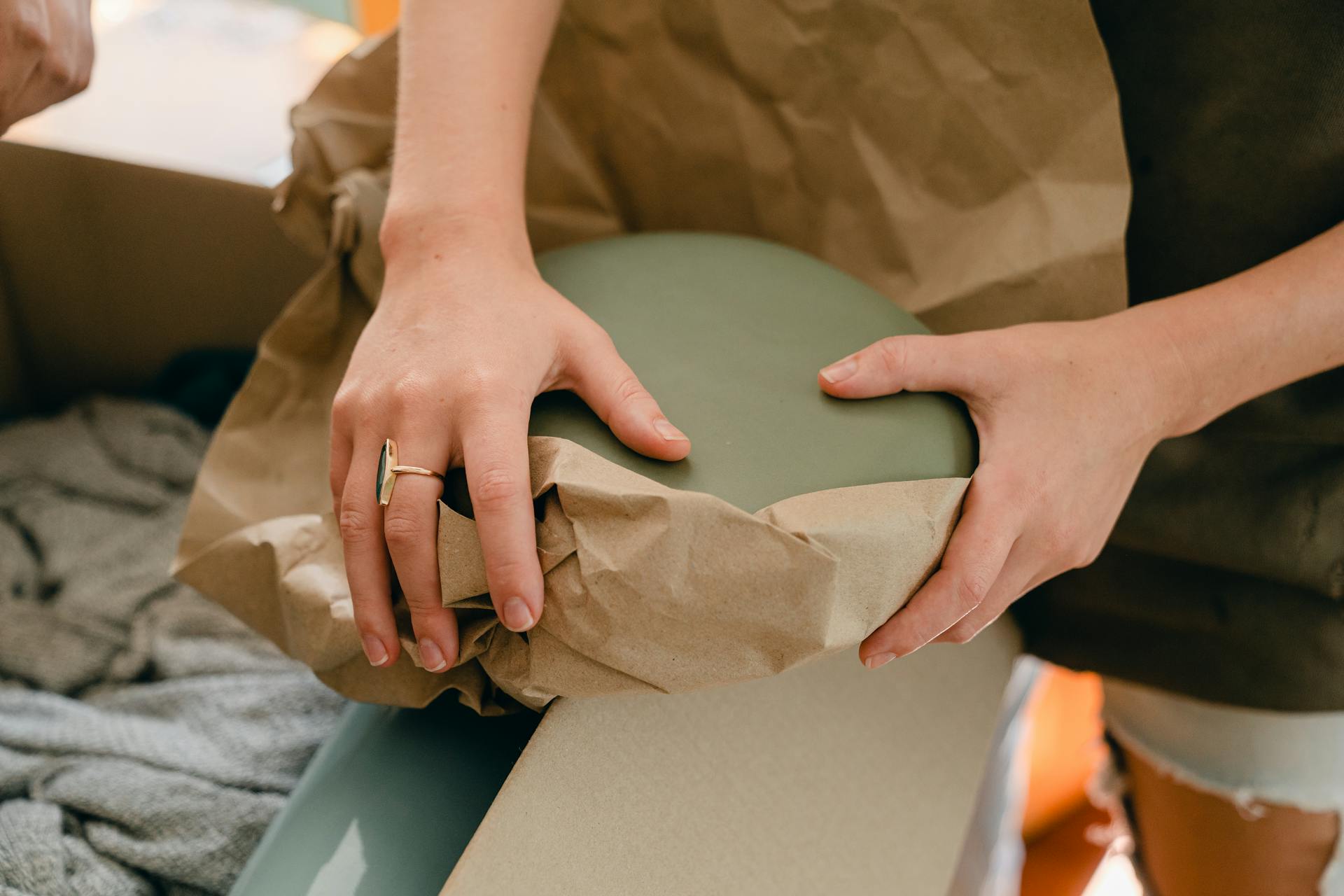
Step 3. Wrap the Plates
Wrapping plates individually takes extra effort and packing materials but we highly recommend this step.
Here are the steps to wrap plates safely:
- Find a flat, clean surface with adequate space, such as your kitchen island or dining room table
- Spread out a large piece of packing paper or your chosen packing material
- Place a plate in the middle of the packing paper
- Take one corner of the packing paper and fold it across the plate diagonally so the entire plate is covered
- Wrap the corner of the paper around the bottom of your plate
- Fold the remaining three corners across the plate until a thick layer of paper covers the entire plate
- Fold all ends and secure with packing tape
- Place the wrapped plate to the side and repeat
Step 4: Pack Plates Vertically
To protect plates from breaking, we recommend packing them vertically on their sides rather than flat. Packing them properly will help them withstand more pressure during transport and prevent them from shifting around.
Here are the steps to pack plates vertically:
- Take one wrapped plate and place it on its side in the box, on top of the layer of crumpled packing paper or bubble wrap
- Nestle the next wrapped plate tightly against the first plate
- Continue stacking wrapped plates vertically against each other
- Make sure plates fit snugly while still being separated by packing paper or bubble wrap
- Continue lining the box with plates until the box is full
Step 5: Cushion Any Empty Spaces in the Box
Once the dishes are packed, fill any empty spaces in the box with additional packing paper or bubble wrap. Make sure the box is completely full with no empty spaces but do not overfill the box. You can also use dish towels to pad any empty space in a box.
Step 6: Secure and Label the Boxes
Secure the box using several layers of heavy-duty packing tape. This reinforces the seams and helps prevent the boxes from bursting open. Use enough tape to cover all edges, corners, and seams, with extra focus on the top and bottom of the box.
Use a permanent marker to label boxes with fragile or delicate items, such as plates and dishes. Write “FRAGILE” in clear large letters and label the box with “PLATES” to make for safe, organised loading and unloading. We also recommend labeling boxes with “THIS SIDE UP” to protect plates and dishes from getting stacked upside down.
To stay organised, you can also label the room the box should be unloaded in, such as “KITCHEN”.
Do’s and Don’ts of Packing Plates
| Do’s | Don’ts |
|---|---|
| Do make sure your plates are dry and clean before packing | Don’t overfill moving boxes (this can strain the box and cause it to break open) |
| Do reinforce the bottom, edges, and seams with several layers of packing tape | Don’t push down to fit more plates into a box |
| Do place heavier items on the bottom and lighter items on top | Don’t stack heavy boxes on top of smaller, lighter boxes or boxes that contain fragile items |
| Do use proper lifting techniques to avoid hurting yourself or dropping boxes (lift with your legs and keep boxes close to your body) | Don’t use large boxes when packing plates as the boxes can become too heavy to lift and more likely to break open |
| Do opt for new boxes rather than used boxes for moving fragile items such as plates | Don’t place boxes with plates or fragile items near sharp or heavy objects that could shift and puncture or crash the box |
Tips for Packing Plates for a Move
Here are additional tips for packing and protecting plates during transport:
- If you run out of bubble wrap or packing paper, use towels or linens to cushion the boxes
- Keep box weight to a reasonable amount to avoid straining your back while lifting and adhere to maximum weight limits according to box size
- Maneuver the moving vehicle smoothly and go slowly over bumps to avoid any jarring movements
- Unpack plates first as they will be one of the first items you’ll need in your new home
- Before taping and sealing the box, gently shake it. There should be zero movement or rattling. If there is shifting within the box, add more bubble wrap or packing paper to secure the plates.
- Hire white glove removalists to find out how stress-free moving plates can be with the right help. Our professional white glove removalists in Sydney have the precise techniques, premium packing materials, and experience needed to safely transport fragile items such as plates and dishes.
For more insider moving and packing tips, check out Our Complete Moving House Checklist.
The Easiest Way to Pack and Move Plates
Packing and moving fragile items such as plates safely takes a great deal of time and prep work. Even with the best preparation, moving plates can be nerve-wracking as you spend the move hoping none of your valuables get broken during transit.
Hand the hassle and stress of moving plates and dishes over to our professional removalists at Mayfair. We have the years of expertise and premium equipment and packing materials needed to safely transport your valuable plates and dishes to your new home.
Enquire now to get a quote in 60 minutes and learn why we built our reputation as the most trusted removalists in Sydney.
Related Posts: