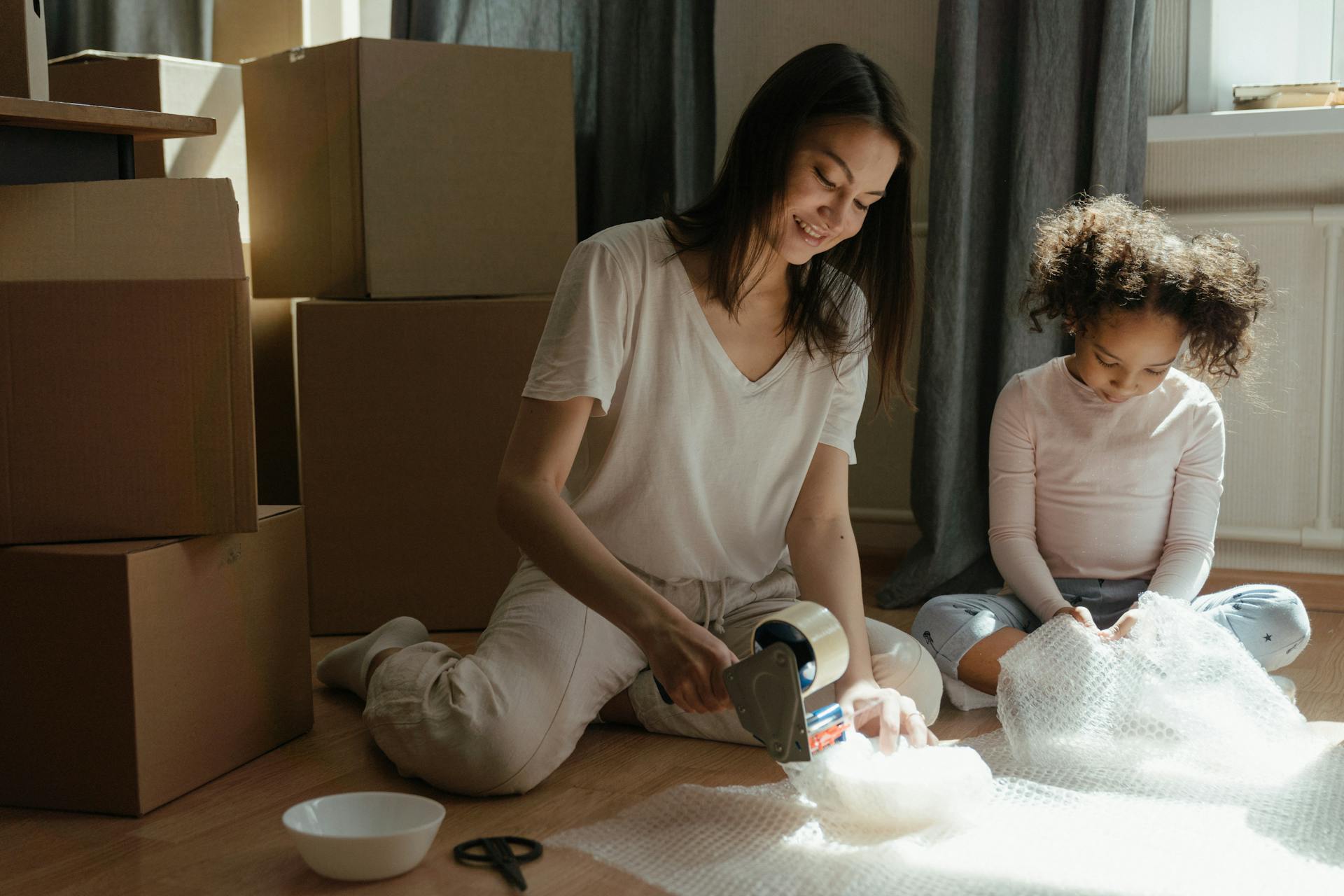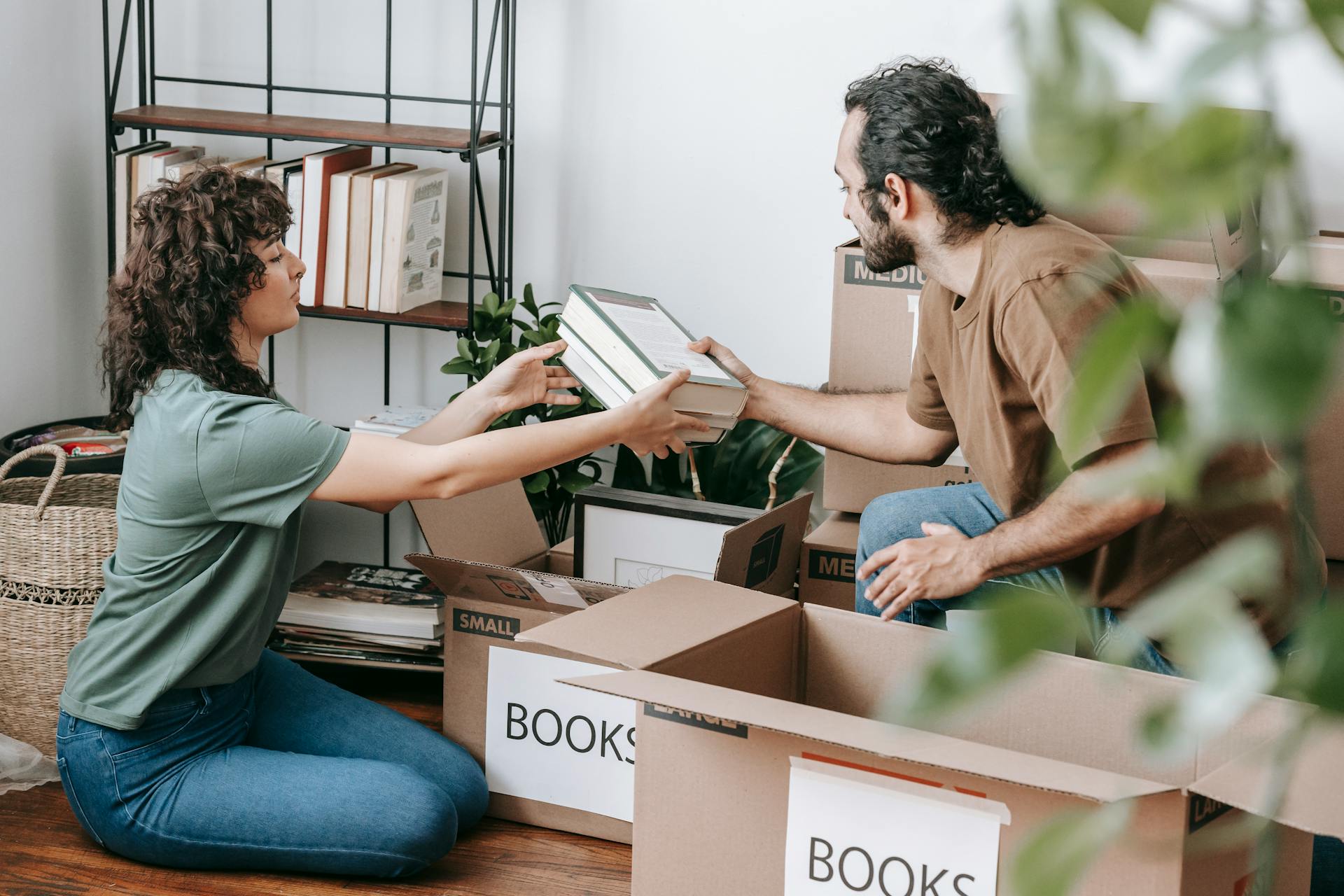

Moving is stressful enough but it can be especially stressful if you are packing and transporting valuables, such as fine artwork.
Treasured family photos, valuable paintings, and fine artwork can be large and awkward to pack and move. The last thing you want to deal with in your new house is a shattered frame or damaged painting.
With the right packing materials and proper moving techniques, fine artwork can be transported safely to your new home. We’re sharing our best insider tips on how to pack fine art work and valuable luxury art so you can ensure it arrives in perfect condition.
Packing Materials Needed for Moving Artwork
We recommend these packing materials to protect your artwork during moving:
- Bubble Wrap — Bubble wrap is a packing must-have for the effective shock absorption and cushioning it provides.
- Packing Paper — Packing paper helps protect artwork against scratches. It also keeps artwork secure so it doesn’t slide around in the moving box. We opt for packing paper over newspaper to prevent ink transfer, especially for valuable items such as artwork. For high-value items, we recommend glassine paper since it is grease, air, and water repellent.
- Parcel Tape — Parcel tape, also known as shipping tape, is a non-negotiable packing material to ensure boxes are thoroughly sealed. Adding parcel tape over seams also reinforces moving boxes to help prevent them from bursting open. For artwork, we recommend acrylic shipping tape rather than polypropylene tape.
- Corner Protectors — Styrofoam or cardboard corner protectors added to all four corners of frames help protect against damage.
- Corrugated Boxes or Specialty Artwork Boxes — We recommend purchasing sturdy, high-quality double-corrugated boxes for moving artwork. For larger items, flat picture boxes or specialty moving boxes will be needed.
- Permanent Markers — Label boxes with “Art” and “Fragile” using a permanent marker to ensure the boxes are handled with care as they are loaded and unloaded.
- Fragile Tape — Along with labeling boxes “Fragile” with a permanent marker, we like to add fragile tape or stickers to boxes with valuable artwork.
How to Wrap and Pack Artwork Safely
How to pack fine artwork in 7 simple steps:
- Sort artwork and find appropriately-sized boxes
- Wrap each piece of artwork individually
- Pad the moving box
- Test for shifting
- Seal the box thoroughly with packing tape
- Label the box
- Load the boxes in the truck
Step 1. Sort Artwork and Find Appropriately-Sized Boxes
First, sort your artwork collection according to size and determine how many and what size boxes you’ll need. We recommend packing each painting, piece of artwork, or sculpture separately.
When possible, stick to medium-sized boxes that are easy to lift and transport. For larger artwork, choose a box large enough to accommodate the artwork without being oversized. We recommend sizing a box with about 3 to 4 inches extra on each side to allow room for bubble wrap or padding.
We suggest investing in a flat picture box or specialty artwork box for larger paintings and artwork. The extra cost is worth it, as these boxes can handle more weight and offer unique dimensions to accommodate oversized pieces.
Step 2: Wrap Each Piece of Artwork Individually
Lay your packing paper out on a flat, clean, and dry work surface. Aim to have enough paper so it is twice the size of your frame. Place corner protectors on framed artwork.
If a frame is covered in glass, place an “X” across the glass with masking tape to help prevent it from shattering during the relocation. We prefer low-tack tape for artists instead of masking tape when protecting glass. Low-tack tape is less sticky, making it less likely to leave a film behind on glass.
Carefully lay the artwork glass-side down on the paper. Fold the ends of the paper around the frame.
For artwork without glass, such as a canvas painting, the surface needs to be protected. We suggest palette wrap or two layers of cardboard.
Next, wrap the entire piece of art in bubble wrap, positioning the bubbles so they are facing to the outside to provide cushioning. Secure the bubble wrap with tape.
Step 3: Pad the Moving Box
Prepare the moving box by adding a layer of bubble wrap or wadded parchment paper to the bottom. Once the artwork is placed in the box, pad the remaining space with more bubble wrap.
Step 4: Test for Shifting
Once you place the artwork in the box and before you seal it, gently test for shifting. Close the box and carefully wiggle it to see if the artwork shifts. If the art moves, add additional packing paper or bubble wrap to fill any empty spaces.
Step 5: Seal the Box Thoroughly with Packing Tape
Secure all seams thoroughly with packing tape to seal the box. Place a special focus on taping the bottom and top seams.
Step 6: Label the Box
Use a permanent marker to clearly label the outside of the box on both sides. We recommend labelling any art work with “Fragile” and “This Side Up”. To stay organised, label the box with the room it should be unloaded in (i.e. Living Room, Front Entry).
Step 7. Load and the Boxes in the Truck
Load artwork carefully and pack pictures on their sides, never flat. Standing a piece of
art on its edge exposes it to less pressure than if it is placed flat.
Do’s and Don’ts for Packing and Transporting Artwork
| Do’s | Don’ts |
| Do set aside extra time to carefully pack your artwork collection | Don’t leave packing artwork for the last minute |
| Do double wrap fine artwork with packing paper for added protection against spills | Don’t skimp on bubble wrap or packing paper |
| Do use parchment paper or glassine paper to protect artwork. | Don’t use newspaper, parchment paper, or wax paper to wrap artwork |
| Do lift with your legs and use proper lifting techniques to prevent straining your back or dropping a box | Don’t use oversized boxes as they are harder to lift and move and allow artwork to shift around |
| Do opt for new, high-quality boxes when moving valuable artwork | Don’t opt for used or secondhand boxes that may be weakened |
| Do reinforce the seams of the box with packing tape, especially the bottom and any edges or seams | Don’t press down on boxes to fit more inside |
| Do choose the appropriately sized box for each piece of art and pack only a single art piece per box | Don’t cram multiple art pieces into one box as this can lead to friction that can cause punctures, tears, or scratches |
| Do place boxes packed with fine art on their sides to help prevent breakage | Don’t lay boxes flat if they are packed with fine art or framed picture |

Tips for Packing Art for a Move
Here are additional tips for packing and protecting fine artwork during transport:
- Never pack multiple art pieces in one box as they can shift around and damage each other
- Use gloves when packing and moving unframed art to prevent oil transfer from your skin to the painting
- Always keep the total box weight to a reasonable amount
- Drive the moving vehicle as smoothly as possible, making a point to avoid sudden stops, bumps, or jarring movements
- Don’t stack anything on top of boxes containing fine art, valuables, sculptures, or pictures
- Consider moving high-value artwork in your personal vehicle rather than the moving truck
- Hire fine art removalists in Sydney to enjoy the peace of mind that comes from knowing your valuable art, sculptures, and paintings will arrive safely at your new home. Specialty Sydney removalists like Mayfair Removals have the equipment and knowledge needed to safely store, transport, and unload your valuable art collection.
For more insider packing and moving tips, see our Complete Moving House Checklist.
FAQs
How do I store artwork safely for a move?
To store artwork before a move or until it is unpacked, opt for breathable materials. While foam and bubble wrap are essential for protection during transport, they can trap moisture in storage. This can lead to condensation and water damage to your valuable artwork. Materials such as blankets or tissue paper can allow air circulation and provide protection.
Avoid storing art in spaces with high moisture or fluctuating temperatures, such as the attic or basement. If you pay for storage space, opt for climate-controlled storage to protect your artwork.
How do I move sculptures?
With their fragility and unusual shapes, sculptures pose additional challenges when moving.
First, carefully wrap the sculpture with plastic wrap. Use extra wrap on or around any vulnerable points or thin parts.
Next, roll up pieces of bubble wrap to fill gaps in the sculpture or empty spaces. Lastly, wrap several layers of bubble tape all around the sculpture. The end result should look like a padded ball.
Choose the smallest packing box with just enough extra space for bubble wrap. For larger sculptures, a wooden crate may be needed.
How do I pack unframed artwork?
Along with following the steps to pack artwork mentioned above, we recommend placing unframed art between two sturdy, clean pieces of cardboard. This will protect the artwork against damage and bending. We also suggest using cardboard corner protectors to guard the corners.
Can I fold a canvas painting?
We do not recommend folding a canvas painting. Rather, make sure it is completely dry before rolling it loosely. Roll the canvas so the printed or painted side is on the outside. Place the rolled canvas into a tube to protect it.
Avoid adding bubble wrap inside the tube as it can add moisture. Lastly, place the first tube inside a larger tube before moving.
The Easiest Way to Pack and Move Fine Artwork
Moving fragile artwork requires the right knowledge and meticulous planning to avoid damage. Even with extensive preparation, you run the risk of a torn canvas or cracked glass frame.
If the thought of relocating your art collection is daunting, Enquire Now to get a quote in 60 minutes from our fine art removalists in Sydney.
Our team specialises in moving delicate and high-value items, such as fine artwork, paintings, ceramics, and sculptures.
Let our professional removalists protect your expensive artwork with our tailored approach and attention to detail. We create a customised, comprehensive relocation plan that accommodates the weight, size, environmental requirements, and unique needs of your beloved art collection. We also offer climate controlled moving and storage to safeguard your fine artwork against temperature fluctuations.
Sit back and decide where your beautiful art will look best in your new home while we relocate it in pristine condition.
Contact our skilled removalists at Mayfair Removals and we can design a personalised relocation package to suit your collection of fine art and valuables.