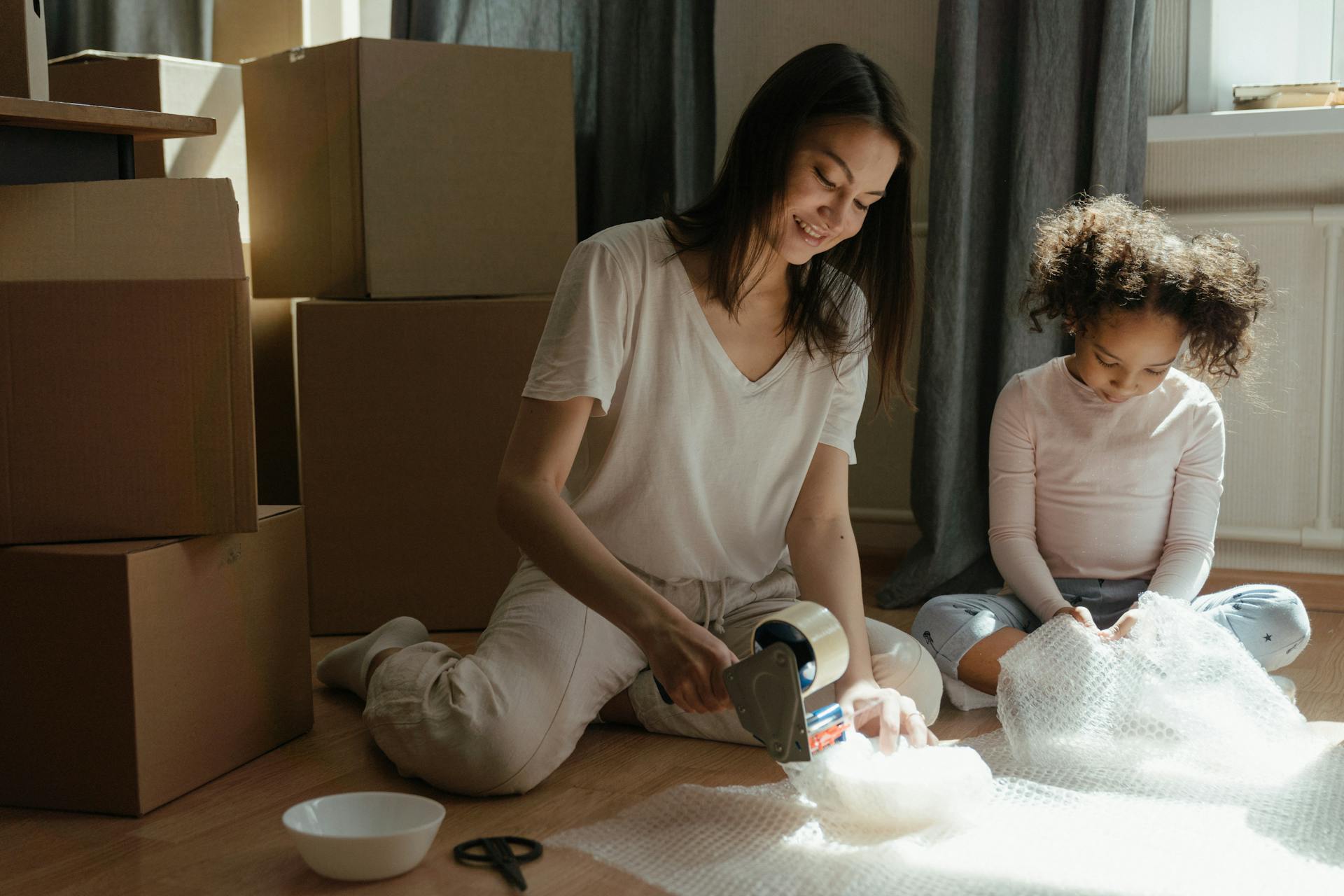
Moving is a daunting task, but without the right preparation, knowledge, and materials, it can be even more stressful and overwhelming.
In this guide on how to pack for a move, we’ll cover:
- Tips on what to do to prepare for a move
- Essential packing materials to have on hand
- How to pack based on the room
- The best way to pack boxes
- The best moving tips
- Tips for packing tricky items
Things to Do to Prepare for Moving
Preparing for an organised move starts around 4 to 6 weeks before the actual moving date.
- Declutter and sell or donate items you no longer need
- Make sure to update the necessary organisations and service providers of your change of address (see our helpful Change of Address Checklist Australia for more information)
- Purchase packing materials ahead of time (see our recommendations below)
- Make a detailed Home Moving Checklist that you can follow before and during the move to stay on track and remain organised
- Gather important documents and records and place in a small safe or secure case and keep it with you on moving day
- Plan ahead for how you will move food items, plants, etc.
- Schedule time off work on and around the moving date
- Determine if you will need a storage facility
- Determine how your pets will be transported
- Research and schedule transport of oversized items (trailers, vehicles, boats) if needed
- Get moving insurance if needed
- Book flight tickets if you are moving cross country
- Make sure you have enough prescription medications, if necessary, to last through your move and until you can see a doctor in your new area
- If you are using a professional removalist, book at least 8 to 12 weeks in advance to ensure availability
For an even more detailed look at a complete moving timeline, check out our Interactive House Moving Checklist.
Our helpful guide breaks down how to pack for a move into a helpful schedule of
- How to pack 4 to 6 weeks before a move
- How to pack 3 to 4 weeks before a move
- How to pack 2 weeks before your move
- How to pack 1 week before you move
- How to pack 1 day before the move
- How to pack the day of the move

Packing Materials
Another important step in moving is getting the right packing materials ahead of time. The last thing you want to do is start packing only to realize you don’t have any good moving boxes or good packing tape.
Here are the packing materials we recommend most:
- Sturdy cardboard boxes in a variety of sizes or moving crates
- Black permanent markers
- High-quality packing tape
- Box dividers, especially for valuables or fragile glassware
- Bubble wrap (we prefer bubble wrap to packing peanuts as it is less messy but packing peanuts can be great for filling in awkward gaps)
- Tie downs
- White butcher paper (we do not recommend newspaper as the ink can stain items)
- Tarps
- Utility knife
- Scissors
- A trolley or handcart for heavy items or boxes
- Ropes
- Blankets or towels for additional padding
- Plastic bags (helpful for moving food items or keeping sets of silverware together)
How to Pack for Moving: Tips for Each Room

Living Room Packing Tips
To make it easier to pack a living room, don’t forget these tips:
- Pad pricey paintings, valuables, fragile items, and mirrors with towels and blankets for extra padding and to minimise movement during transport
- Mark boxes with valuables or fragile items with a large “FRAGILE” and “THIS SIDE UP”
- When possible, pack electronics in the original box/packaging
- Take the lightbulbs out of lamps or chandeliers and remove lampshades and package these items separately for transporting
- Keep valuables or sentimental items with you during the move (i.e. irreplaceable photos) to ensure they stay protected during the move and do not get lost
- Roll rugs up and use rope or plastic ties to secure them3
Bedroom Packing Tips
Follow these bedroom packing tips to make the moving process a bit easier:
- Store jewelry and valuables in a secure box or case and keep it with you during the move
- Keep clothes right on the hangers and place them directly into the moving boxes for easier unpacking
- Use suitcases and luggage for an easy way to pack clothes
- Pack shoes in the original boxes, if possible
- Use blankets and sheets to protect furniture and mattresses during your move
- Use trash bags or large bags to keep dust and debris off of pillows and bedding during the move
Bathroom Packing Tips
- Pack bathroom necessities last
- Pack liquid toiletries (shampoo, face wash, body wash, conditioner) in leakproof bags before packing them in boxes
- Use bathroom towels as padding when packing other items
- Pack medications separately, clearly label them, and move these items with you (many medications are susceptible to heat and should not be left in a moving truck for extended periods)
Kitchen and Dining Area Packing Tips
Our clients often mention that the kitchen is one of the most overwhelming rooms to pack.
From appliances to fragile glassware to valuable china, the kitchen will likely require the most planning and packing time.
Here are kitchen packing tips to help streamline your move:
- Move as little food as possible to avoid messes, spills, or spoiled food
- Clean and empty all kitchen appliances before packing
- Wrap cords in plastic bags and place them inside the appliance, when possible
- Defrost your freezer and fridge 24 hours before moving day
- Pack appliances in their original boxes, when possible
You may also find our guide on How to Pack Glassware for Moving helpful for moving fragile, valuable kitchen items.
Garage and Outdoor Items Packing Tips
It is easy to be so busy packing interior items that you forget about the garage, outdoor sheds, and other outdoor items.
Here are some tips for packing outdoor items:
- Look around your yard and make note of any bulky items that need to be disassembled and moved, such as playsets, outdoor furniture, or garden benches
- Clean and disassemble outdoor furniture prior to the move
- Check with your local council for regulations on how to dispose of paint thinners, chemicals, cleaning fluids, aerosols, or flammable liquids
- Check with your local council about pickup for any bulky rubbish items
- Don’t forget your plants — check through your garden and landscaping for any plants you want to transplant to your new home
- Set aside tools and your toolbox to pack last in case you need to use any tools in the moving process
- Carefully cover any sharp tools with towels or cardboard and move them in their original package or case if possible
Home Office Packing Tips
- Store important documents in a secure box and keep it with you during the move
- Take photos of electronics before disassembly to make it easy to put them back together
- Stack folders and documents in a sturdy small to medium-sized box and securely tape the lid and all seams shut and label clearly
- Move printers and computers in their original packaging with bubble wrap and in sturdy crates labeled “Fragile”
What Is the Best Way to Pack Boxes?
Here are tips on the best way to pack boxes:
- Do not overfill boxes as it puts the moving box or crate at risk of breaking open
- Label boxes with what is inside and where the items go — this will make the unloading and unpacking process far easier
- Do not skimp on quality when it comes to packing tape — invest in strong, good-quality packing tape to properly secure items
- Reinforce the top and bottom seams of each box with packing tape
- Never push down on a box to fit more items inside
- Stack heavy boxes on the bottom and lighter boxes on top
- Always place fragile items on top of other boxes
More Packing and Moving Tips
Tips for Before You Pack
Before you officially start packing, you can get a head start with these tips:
- Start by packing seasonal items or things you do not use often (i.e. holiday decorations, photo albums, magazines, books, seasonal items, etc.)
- Pack small appliances you don’t use often (cookie sheets, waffle iron, etc.)
- Create your own moving schedule with a checklist of when to pack each room and which items to pack first
- Clean as you start packing so that the cleaning gets done in small increments rather than all at the last minute (i.e inside closets, under the sink, etc.)
- Disassemble items you don’t use often (i.e. a bed frame in a spare bedroom)
Tips During Packing
- Pack similar items in the same box (i.e. kitchen items, bathroom items, glassware, etc.)
- Pack essentials separately and label them clearly so you know right where to find a flashlight or first aid kit if you need it when unpacking
- Along with labeling which room a box goes to, go a step further by colour coding boxes by room (i.e. boxes with blue tape are for the kitchen, green boxes are bedroom items, etc.)
- When loading the moving truck, start with large items such as appliances or furniture and then place smaller items near the door to make it easier when unloading
- Pack heavy boxes at the bottom and lighter boxes on top
- Don’t miss areas when packing — check sheds, closets, under the sinks, the attic, etc
Tips for Packing Tricky Items
- When packing musical instruments, loosen the strings before packing and protect the instrument from swings in temperature
- Hire white glove removalists who have expertise in packing tricky, valuable, or fragile items
Enlist the Help of Our White Glove Removalists at Mayfair Removals for a Stress-Free Move
Even with the right planning, packing and moving can be incredibly stressful.
Leave the worry and hard work to us and enlist the help of our Sydney white glove removalists. Spend your moving day enjoying your new home rather than stressing over broken items or unloading heavy, awkward boxes.
Deliver your items safely, securely, and in an organised manner that makes unpacking a breeze. Contact Sydney’s #1 Luxury Home Removalists today to get your fast, free quote.